 Call Us : 08045812926
 Call Us : 08045812926
 Send Inquiry
 English
 Spanish
 French
 German
 Italian
 Chinese (Simplified)
 Japanese
 Korean
 Arabic
 Portuguese
 Get A Quote
 Send Inquiry
Synthetic Roofing Underlayment
Price 100 INR/ Square Foot
MOQ : 1000 Square Foots
Synthetic Roofing Underlayment Specification
- Height
- N/A (Sheet/Roll Form)
- Usage & Applications
- Suitable for residential, commercial, and industrial roofing
- Roof Material
- Compatible with all types of roofing
- Surface Treatment
- UV Treated/Coated
- Technics
- Woven/Spun bonded technology
- Features
- Anti-slip, Tear-resistant
- Material
- Synthetic Polymer Fabric
- Tile Material
- Synthetic
- Tile Type
- Underlayment Sheet
- Type
- Roofing Underlayment
- Size
- 1 x 20 meters (approx)
- Shape
- Roll
- Pattern
- Plain
- Heat Transfer Coefficient
- Low
- Thickness
- 0.4 mm (approx)
- Length
- 20 meters
- Width
- 1 meter
- Temperature Resistance
- Up to 120°C
- Packaging
- Rolls packed in polyethylene wrapping
- Fire Resistance
- Flame retardant
- Installation Method
- Mechanically fastened or self-adhesive
- Roll Weight
- 7-8 kg per roll (approx)
- Color
- Grey or as per specification
Synthetic Roofing Underlayment Trade Information
- Minimum Order Quantity
- 1000 Square Foots
- Supply Ability
- 100000 Square Foots Per Week
- Delivery Time
- 1 Week
- Main Export Market(s)
- Asia, Australia, Central America, North America, South America, Eastern Europe, Western Europe, Middle East, Africa
About Synthetic Roofing Underlayment
Roofing Underlayment acts like a protective layer to the wall. It is a kind of membrane that is installed on the plywood of roof and provides an extra layer of water penetration protection before shingles are installed. This is essential for low sloped roofs and specific high water risk areas. Moreover, this product is water resistance, durable etc. In addition, it also provide a protection against moisture, water, harsh weather condition, sound, heat and many more. Further, this membrane provides protection before the roof is fully installed. We offer this product for all kinds of roof. Further, our professional expert team provide best quality Roofing Underlayment.
Product details
|
Coated |
With Nonwoven |
|
Color |
White |
|
|
Printable |
|
White |
Black |
|
Service Location/City |
United States |
|
Area |
1000 |
|
Material Procurement |
Supplier End |
|
Location Type |
Commercial |
Superior Temperature and Fire Resistance
This synthetic underlayment is engineered to withstand temperatures up to 120C and offers flame-retardant properties, ensuring enhanced safety and performance in extreme weather conditions. The UV-treated surface further extends its lifespan, making it a reliable choice for diverse climates and long-term installation.
Effortless Installation and Compatibility
Installation is quick and flexible through either mechanical fastening or self-adhesive application. The underlayments universal compatibility with all types of roofing materials makes it suitable for both new construction and re-roofing projects. Its anti-slip and tear-resistant features facilitate safer, more efficient handling during setup.
Ideal for Multiple Applications
Whether its a residential, commercial, or industrial setting, this roofing underlayment provides durable protection beneath roof tiles or shingles. Its synthetic fabric construction ensures a low heat transfer coefficient and resistant performance, making it a trustworthy layer for any rooftop. Exported and supplied across India, it meets global quality standards.
FAQs of Synthetic Roofing Underlayment:
Q: How is synthetic roofing underlayment installed on different types of roofs?
A: This underlayment can be installed using mechanical fasteners (such as nails or staples) or as a self-adhesive layer, depending on the project requirements. It unrolls easily and can be applied on all roof types, making it suitable for various residential, commercial, or industrial installations.Q: What are the main benefits of using synthetic roofing underlayment over traditional materials?
A: Compared to traditional roofing felts, synthetic underlayment offers superior tear and slip resistance, lower heat transfer, and improved durability. Its lightweight design and flame-retardant, UV-treated surface deliver better performance, especially in challenging environments.Q: When should I use flame-retardant roofing underlayment?
A: This flame-retardant underlayment should be used in any roofing application where enhanced fire safety is a concern, particularly in residential, commercial, and industrial settings prone to high temperatures or fire risk. Its performance makes it suitable for both new builds and renovation projects.Q: Where can this synthetic underlayment be applied?
A: It is compatible with all types of roofing materials and is suitable for new constructions as well as replacement or repair roofing projects in residential, commercial, and industrial environments across diverse geographic locations.Q: What is the process for handling and storing the roofing underlayment rolls?
A: Each roll is packed in protective polyethylene wrapping to guard against moisture and dust. Store the rolls in a dry, covered area until use to maintain material quality and facilitate hassle-free installation.Q: What makes this underlayment suitable for extreme weather conditions?
A: Its synthetic polymer construction, UV-treated/coated surface, and flame-retardant properties ensure durability under high temperatures (up to 120C) and strong sunlight, making it ideal for use in various weather conditions, including regions with intense heat or frequent storms.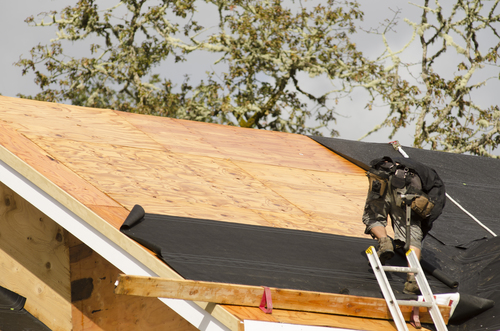
Tell us about your requirement

Price:
Quantity
Select Unit
- 50
- 100
- 200
- 250
- 500
- 1000+
Additional detail
Mobile number
Email


KT Exports India Pvt. Ltd.
101 Sudaiv, Plot No. 97,
Road No. 3, Hindu Colony
Dadar (East)- 400014
Maharashtra- India
Contact Details

- 12, 1202, Kohinoor Square, Wing B, N C Kelkar Marg, Opp. Shiv Sena Bhavan,Mumbai - 400028, Maharashtra, India
- Phone : 08045812926
KT EXPORTS INDIA PVT LTD.
GST : 27AABCK5439R1ZV
GST : 27AABCK5439R1ZV

- Mr. Nimesh Sanghrajka (Director)
- Mobile : 08045812926
- nimesh@kt-exports.com

 Send Inquiry
 Send SMS
 Call Me Free
KT INTERNATIONAL
All Rights Reserved.(Terms of Use)
Developed and Managed by Infocom Network Private Limited.
Developed and Managed by Infocom Network Private Limited.

